
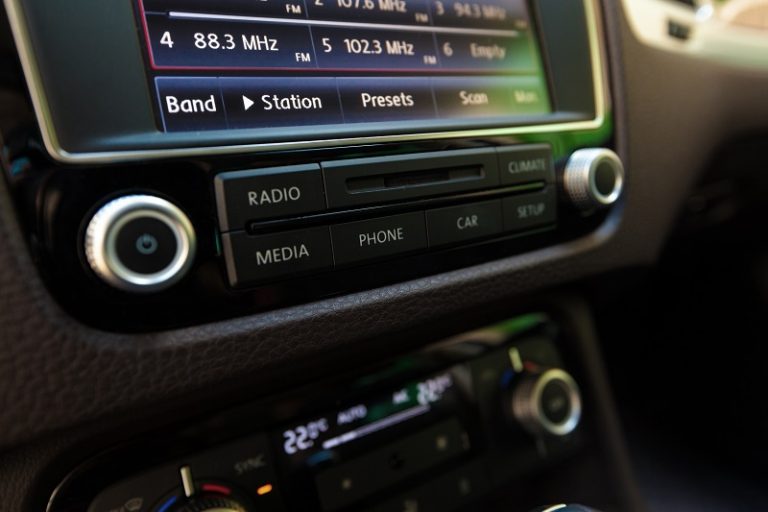
When digital marketing is dominating the conversation, it’s easy to overlook traditional strategies like radio advertising. But for local paving companies trying to build name recognition and stay top of mind, radio isn’t dead. In fact, when done right, it can still be a powerful part of a well-rounded marketing mix.
This guide explores the real-world effectiveness of radio advertising for paving contractors, how it stacks up against newer options, and when it makes the most sense to invest in it.
The Enduring Reach of Radio
Despite the rise of podcasts and streaming platforms, radio continues to reach a massive audience. According to Nielsen, over 90% of Americans listen to AM/FM radio every week. That includes homeowners, business owners, property managers, and local government officials—the exact kinds of people who hire paving contractors.
Why Radio Still Works
Radio is unique in that it meets people where they are—literally. They’re listening in their trucks, at job sites, or during their daily commute. It’s a passive yet persistent form of advertising that can build brand recognition without requiring someone to be staring at a screen.
If your goal is to become the first name people think of when they need asphalt work, radio helps create that mental association over time.
Who Listens to Local Radio?
Before we dig into strategies, let’s look at who’s actually tuning in.
- Commuters: Drivers stuck in traffic are often loyal to a handful of stations. This is prime exposure time.
- Construction and trade workers: Many crews keep the radio on throughout the workday.
- Homeowners: Especially those aged 35 to 64, who are more likely to own property and invest in paving.
- Small business owners: They often rely on local radio for community updates and weather—especially in areas where paving is seasonal.
All of these groups are potential customers or decision-makers. Local radio still does an excellent job of reaching them.
When Radio Advertising Makes the Most Sense
Radio isn’t always the best fit for every paving company. But in certain situations, it can be a smart, profitable investment.
You’re Expanding into a New Market
Radio can help introduce your company to a new area and accelerate brand awareness. Running spots on a popular station in a new city or county can put you in front of thousands of potential customers quickly.
Your Target Market Includes Older Homeowners
If your ideal customer is 45+, radio might outperform social media or even Google Ads. This age group still listens to talk radio, news stations, and classic rock formats regularly.
You’re Promoting Seasonal Services
Need to book out your calendar for spring sealcoating or fall driveway paving? Radio is perfect for time-sensitive promos because it reaches people immediately and repeatedly throughout the day.
You Have a Strong, Local Brand Voice
If you’ve already built a reputation in your area, radio can reinforce your message and personality. Hearing your name, tagline, or jingle regularly helps lock in recognition when someone needs paving work.
How to Craft an Effective Radio Ad for a Paving Business
Just because radio works doesn’t mean every ad will. If your message is generic or hard to understand, it won’t get results. Here’s how to make sure your ad stands out.
Keep It Local
Mention the specific areas you serve and use place names that local listeners will recognize. For example, “Proudly serving Monument, Castle Rock, and Colorado Springs” sounds more relevant than just saying “Southern Colorado.”
Focus on Benefits, Not Just Services
Instead of listing what you do—driveways, parking lots, line striping—explain why it matters. Talk about making properties safer, boosting curb appeal, or preventing liability.
Include a Clear Call to Action
Whether it’s calling your number, visiting your website, or requesting a free estimate, make it obvious what the listener should do next.
Use Repetition Wisely
Radio relies on memory and frequency. Keep your message simple and consistent so it sinks in. Using the same phone number, website, and tagline across multiple spots builds familiarity.
Keep It Conversational
You want your ad to sound like someone talking to a neighbor, not reading a formal script. Avoid industry jargon or overly corporate language.
Measuring ROI from Radio Advertising
One of the biggest concerns with traditional media is tracking effectiveness. Unlike digital ads, you can’t click a radio spot. But you can track response with the right approach.
Use Unique Phone Numbers
Use a call-tracking number that forwards to your main line. This helps you see exactly how many calls come from the radio campaign.
Build Custom Landing Pages
Send radio listeners to a unique page like YourCompany.com/radio so you can measure traffic and form submissions tied to the ad.
Train Your Team to Ask
Have office staff ask every caller “How did you hear about us?” and track answers in your CRM or intake form.
Compare Before-and-After Data
Look at your lead volume, booked jobs, and revenue before, during, and after your ad campaign. Look for noticeable changes that correlate with the ad’s run.
Pros and Cons of Radio for Paving Companies
Let’s wrap up with a balanced look at the upsides and downsides of radio.
Pros
- Strong local reach: Radio reaches people in your service area daily.
- Builds trust and familiarity: Hearing your name often creates mental recall.
- Great for brand awareness: Especially in markets with limited competition.
- Flexible pricing: Stations often offer affordable packages for small businesses.
- Can complement digital: Works well when paired with SEO, Google Ads, and social media.
Cons
- Harder to track: Attribution requires manual effort and planning.
- Requires repetition: One or two spots won’t get the job done—frequency matters.
- Limited targeting: Unlike digital, you can’t pinpoint audiences as precisely.
- Production costs: You may need to invest in a professionally produced ad.
How Radio Fits Into a Multi-Channel Marketing Strategy
Radio shouldn’t replace your digital efforts—it should support them. The most effective campaigns use radio to build brand awareness while digital ads and SEO capture active buyers.
For example:
- Use radio to build top-of-mind awareness.
- Use Google Ads to target people who are ready to hire right now.
- Use SEO and blogging to build long-term search traffic.
- Use social media to engage with your community.
When you combine these tools, each one becomes more effective. People hear your name on the radio, then see your ad on Google, then visit your site and recognize your brand. That’s how you build trust and drive action.
Final Thoughts: Should Your Paving Company Invest in Radio?
Radio advertising is absolutely still effective for local paving companies—but only if it’s done strategically. It shines when you’re trying to increase awareness in your area, reach homeowners in your target demo, or promote seasonal services.
If you’re only focused on short-term lead gen, Google Ads or SEO might bring faster results. But if your goal is to build a long-lasting presence and become the name for paving in your region, radio can help you get there.
Just make sure your messaging is clear, your targeting is local, and your campaigns are paired with digital tracking tools.
Need help running radio, digital, and local marketing campaigns that drive real results? Schedule your FREE consultation today and let’s build a strategy that helps your paving company grow from the ground up.

